What If Your Signature Look Isn’t One Look at All?
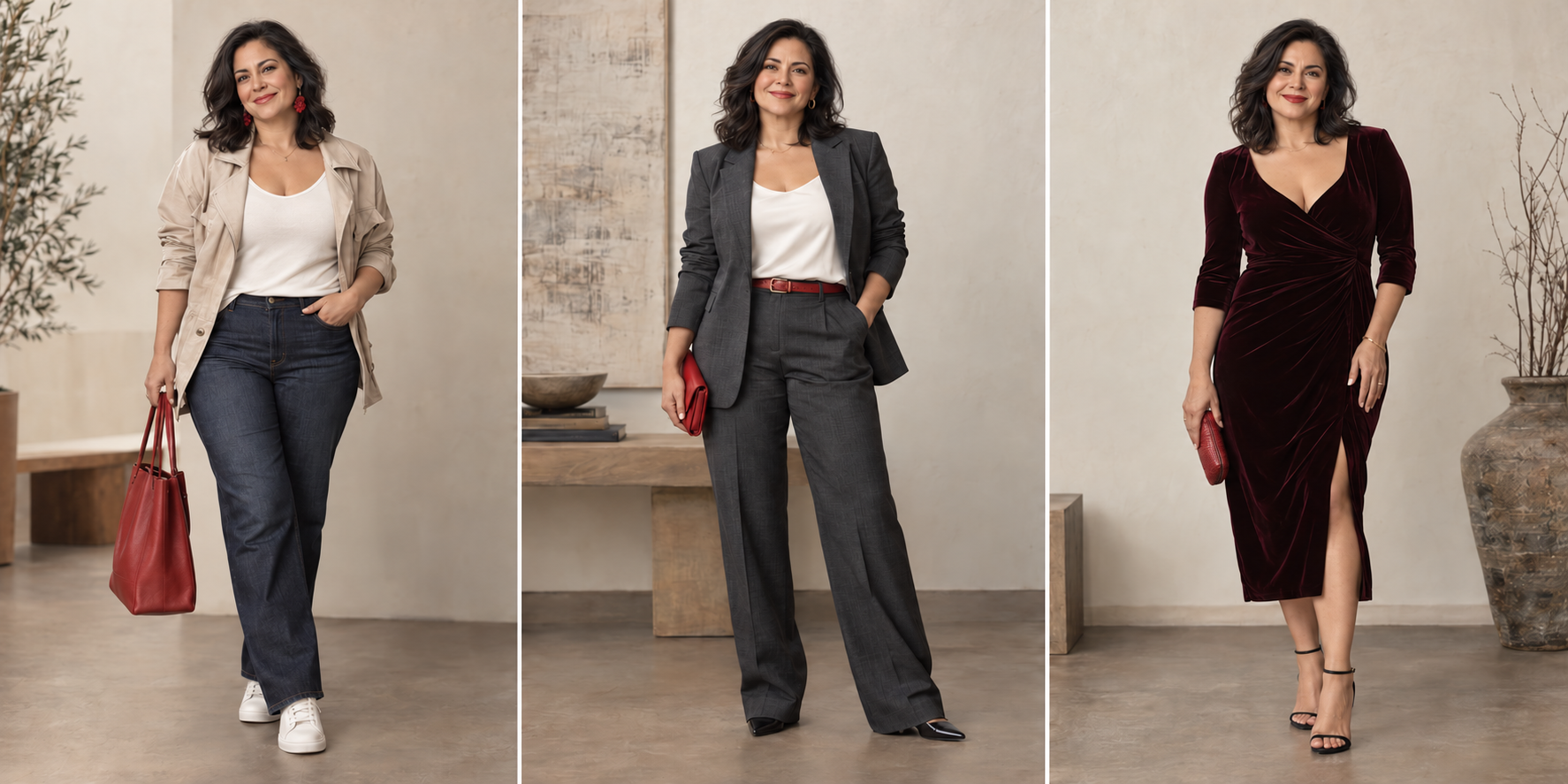
You know the person who walks into a room and somehow always looks like themself? They might be in jeans one day, a suit the next, and something completely unexpected on Friday, but you can still see them in every outfit. That’s what makes a signature look so appealing. You want people to recognize your taste without having to wear the same jacket until it becomes your unofficial uniform. But somewhere along the way, “signature look” got confused with “one outfit, repeated forever.” If that’s the idea you’ve been working with, no wonder finding yours feels harder than it should.
As a stylist, I’ve seen clients try to pin their style down with a label before they’ve paid attention to what they actually enjoy wearing. “I’m classic,” someone tells me, even though they light up around a bold print. Another client calls himself edgy because he bought a black leather jacket years ago, but the jacket has been sitting in the closet ever since. Labels can be useful shorthand, but they can also turn into rules you never meant to make. A signature look isn’t a box you climb into. It’s the thread that runs through your clothes, even when the clothes change.
You probably have more than one side to your personality. The version of you who gets dressed for a client meeting may want a different outfit from the version who’s meeting friends for dinner. Both are you. Your clothes can reflect that range. You might love a jacket that fits close to the body, or you might gravitate toward relaxed lines and one sharp accessory. You may be drawn to saturated color, beautiful texture, an open neckline, or an unexpected mix. Those preferences can show up in a suit, a weekend outfit, and an evening look without making the three outfits identical.
Before you start shopping, pull out five things you love wearing now. Not things you think you should love, or expensive pieces you feel guilty about leaving on the hanger. Choose the clothes you reach for when you want to feel good and get on with your day. Lay them on the bed or take photos so you can see them together. What do they have in common? Are they comfy? Do they have clean lines? Is there a playful detail you keep choosing? Do the colors make you look awake? Get specific; “they’re all nice” won’t tell you much.
Monica’s Tip: Ask yourself what you love about wearing each piece, not just what you love about looking at it. A shirt or dress can be gorgeous and still make you tug at the neckline all night. Your favorite jeans might have nothing to do with the brand and everything to do with how easily you can sit, walk, and breathe in them. Comfort isn’t the opposite of style. The way a piece feels on your body is part of why it works for you.
Now look at the clothes you keep passing over. You don’t have to turn this into a dramatic closet cleanout. Just notice what happens when you pick something up. Does it need shoes or a layer you don’t own? Do you like it only when you’re standing perfectly still? Is it tied to a job you left, or a version of yourself you were trying hard to be? Sometimes the issue is simple: the pants need hemming or the shirt needs a different bottom. Sometimes the item no longer belongs in your regular rotation. Knowing the difference saves you from buying another piece with the same problem.
Here’s where many people get tripped up: they mistake a signature look for a shopping list. They decide they need a blazer, a white shirt, a particular bag, and the shoes they’ve seen on somebody else. There’s nothing wrong with any of those things if you love them. But buying the pieces of somebody else’s style won’t make their ease in getting dressed appear in your closet. Start with your preferences, then choose the items that serve them. If blazers make you feel stiff, you don’t need to force one into your wardrobe because someone called it essential. A beautiful knit jacket might do the job and feel much more like you.
Your daily life matters here, too. Spend a week noticing where you actually go and how you need your clothes to work. Are you at your desk most mornings, then out at appointments in the afternoon? Do your casual weekdays lead into dinners where you want to feel more dressed without changing from head to toe? How much time do you spend on your feet? A signature look that works only in a mirror has a short life. The best clues come from outfits you can move in, live in, and wear to the places on your calendar.
Monica’s Tip: Pick one occasion you dress for often and build three outfits for it using clothes you own. Keep one detail consistent, such as an open neckline, a favorite color combination, or the jewelry you reach for. Then vary everything else. You’ll see how a recognizable point of view can run through several looks without making you feel like you’re repeating yourself.
Let’s say you love red but don’t want to dress in it every day. Wear a red shirt with black pants one morning. Try a dark denim outfit with a red scarf, tie, or earrings the next time. For dinner, you might choose a red dress, a red sweater, or just one small flash of the color. You’re using it as a recurring note, not as an obligation. The same goes for proportion. If you love a relaxed jacket over something more fitted, that balance can show up with different pants, shirts, or dresses. You’re free to change the pieces while keeping the part you love.
It also helps to notice the outfit details people compliment and the ones you enjoy for yourself. Compliments can point you toward something worth exploring, but they aren’t the final vote. People may adore an outfit that makes you feel like you borrowed someone else’s clothes. Or you may feel fantastic in a look nobody comments on because it lets you walk into the day without thinking about it again. Pay attention to that quiet ease. You don’t need an audience to know when your clothes feel right.
There’s a fun exercise I use when a client says, “I don’t even know what I like anymore.” Choose one outfit you wear regularly and make three small changes, one at a time. Swap the shoes. Add a different accessory. Try the shirt tucked, half-tucked, or left loose. Take a photo of each version and look at them later, when you’re not standing in front of the mirror picking yourself apart. Which version feels most like you? Which one would you happily wear tomorrow? Those answers are more useful than trying to settle your entire style identity in one afternoon.
Monica’s Tip: Photograph an outfit on a day you actually wear it, after you’ve walked around and sat down in it. The mirror can tell you how it looks at home; a real day tells you whether you kept adjusting it, whether the shoes survived the afternoon, and whether you felt good when you got back. Save the looks that worked in an album on your phone. On a rushed morning, that album is better than staring at a full closet and hoping an outfit appears.
One warning: don’t let “signature” turn into a demand for everything to match. Your wardrobe can have a little surprise in it. You can wear simple clothes most days and still love a dramatic coat. You can live in neutrals and own one printed shirt that makes you smile. You don’t have to get rid of those pieces because they don’t fit a neat description of your style. If you love wearing them, they’re giving you information. Sometimes the item that looks like an outlier shows you a part of your taste you haven’t made room for yet.
Buying something new can be exciting, especially when you’re ready for a change. Pause before checkout. Picture the new piece with three things you own. Can you name the places you’d wear it in the next month? Does it fill a real gap, or are you hoping it will somehow make the rest of your closet make sense? Sometimes a great purchase opens up several outfits. Sometimes you’re buying a fantasy afternoon in the fitting room. Both can feel thrilling for ten minutes; only one helps you get dressed on Tuesday.
When you do shop, try on an item with the shoes and undergarments you’re likely to wear with it, if you can. Move around. Sit down. Look at the back. Take a second photo without the store’s flattering light doing all the work. If you’re considering pants, pay attention to what happens at the waist when you sit and whether the hem works with the shoes you own. For a jacket, button it and reach your arms forward. You’re allowed to love the design and leave the item behind when the fit asks too much of you.
It’s also okay if the answer changes over time. A signature look should have room for a new job, a different routine, a shift in your body, or simply a change in taste. You don’t owe the clothes you wore five years ago a permanent place in your closet. You can keep wearing the bold color you’ve always loved and choose softer fabrics now. You can still want polished outfits, but prefer pants and a knit top to the suit or dress you used to reach for. You can carry what still feels like yours into a new chapter and let the rest go.
If you want a starting point this weekend, don’t try to solve the whole closet. Choose your five favorites, look for the details they share, and build three outfits for something you have on the calendar. Wear one, photograph it, and notice how you feel by the end of the day. Then do it again. Over time, you’ll see the things you keep choosing: the colors, the fit, the little finishing touches, the ways you like to move through a room. That’s a far better place to begin than deciding you must dress like the same person in every setting.
So what is a signature look? To me, it’s a way of getting dressed that people recognize because you are present in it. It may include a favorite color, a great pair of pants, or a particular kind of accessory, but no single item has to carry the whole thing. You can be consistent without being predictable. You can change your mind and still have taste. And you can walk into a room in something completely new and have it feel unmistakably yours.
You don’t need permission to wear what you love,
xo Monica